Worrying about whether your incontinence products might show through your clothes is more common than most men realize. It’s one of those quiet concerns that rarely gets talked about, yet it affects confidence, comfort, and the way you move through your day. Whether you’re managing light drips or more frequent bladder leaks, the clothes you choose can make a meaningful difference in how secure and at ease you feel.
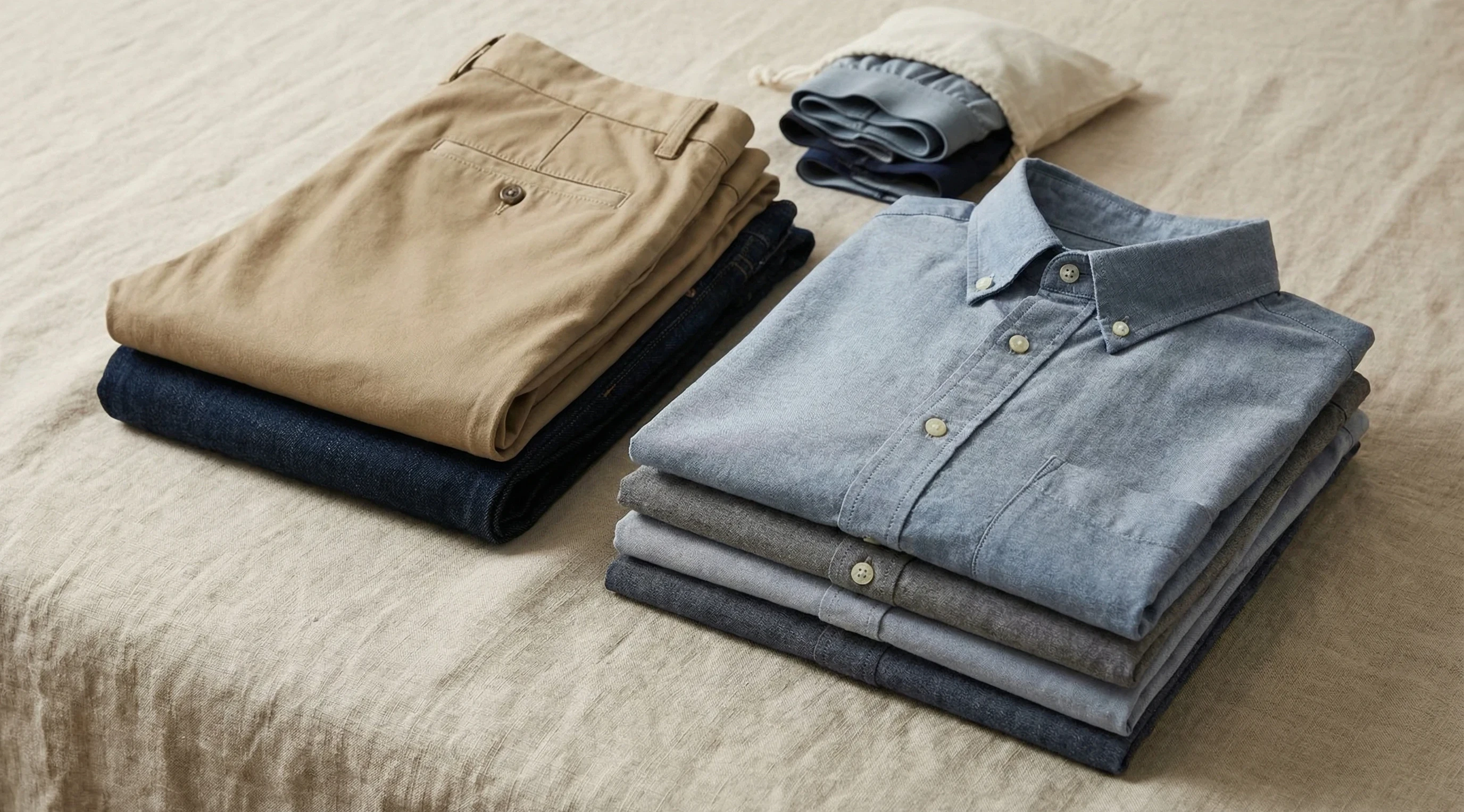
This guide isn’t about hiding who you are. It’s about protecting your dignity, maintaining your privacy, and giving yourself the freedom to live normally — without constantly checking your waistband or wondering if anyone can tell. With the right clothing strategies, you can stay discreet, stay comfortable, and stay confident in every setting, from work to workouts to weekends away.
Why Clothing Choice Matters for Discreet Protection
The clothes you wear play a bigger role in discretion than most men expect. Certain fabrics, fits, and garment structures naturally hide outlines better, reduce bunching, and prevent the subtle bulges that can make you feel self‑conscious.
When your outfit feels secure and looks natural, your mind relaxes. You stop worrying about whether your product is visible when you stand up, bend over, or sit down. Comfort, privacy, and confidence work together — and the right clothing choices help all three fall into place.
Best Types of Pants for Concealing Incontinence Products
Choose Dark, Forgiving Colors
Dark shades like navy, charcoal, and black are your best friends. They minimize shadows and outlines far better than light khakis, white denim, or pale gray.
Pick the Right Fit
- Straight‑leg or relaxed‑fit pants offer room without looking oversized.
- Avoid skinny or ultra‑slim cuts, which cling to the body and highlight seams or product edges.
- Look for stretch fabrics that move with you but don’t grip too tightly.
Use Fabric to Your Advantage
Thicker materials — denim, twill, structured cotton, or tailored blends — naturally conceal more than thin fabrics.
Patterns Help Break Up Lines
Subtle checks, herringbone, or textured weaves distract the eye and disguise small bulges.
Consider Functional Styles
Cargo pants or joggers with deeper side pockets can visually break up the hip and thigh area, adding another layer of discretion.
Choosing the Right Underwear for Better Discretion
Your underwear is the foundation of your comfort and privacy. The right pair keeps your product secure, smooth, and properly positioned.
Supportive, Snug, but Not Tight
Boxer‑briefs usually offer the best balance of support and comfort. They help hold guards or pads in place without squeezing or shifting.
Choose Breathable Fabrics
Cotton blends and technical moisture‑wicking materials help regulate heat and airflow — especially helpful if you run warm.
Pay Attention to the Waistband
A mid‑ to high‑rise waistband helps keep products covered and prevents slipping.
Look for Low‑Profile Designs
Products labeled “low profile,” “contoured,” or “designed for men” often sit more naturally under clothing and reduce bulk.
Shirts, Layers, and Tops That Improve Coverage
Longer Tops Offer Extra Security
Shirts that fall below the belt loops or rear pockets help cover waistbands and product edges when bending or sitting.
Layering Works Wonders
- Start with a smooth, tucked‑in undershirt.
- Add an untucked button‑down, casual overshirt, or lightweight jacket.
- Patterns and textures help camouflage outlines around the waist and lower back.
Avoid Ultra‑Thin or Tight Fabrics
Clingy knits and fitted tees can highlight lines you’d rather keep private.
Choose Breathable Layers
Light cotton undershirts, henleys, or soft performance fabrics add coverage without overheating.
Athletic Wear and Active Clothing Tips
Staying active is important — and you shouldn’t feel held back by bladder leaks.
Choose Thicker or Double‑Layered Athletic Fabrics
Performance shorts and joggers with built‑in structure hide outlines better than thin mesh or clingy materials.
Use Compression Shorts for Support
Compression layers help keep everything in place, manage sweat, and create a smoother silhouette.
Check Waistband Security
If you prefer looser shorts, make sure the waistband stays put during movement.
Look for Support‑Focused Designs
Some athletic brands now include built‑in support panels that add discreet coverage — a great option for running, cycling, or gym workouts.
Clothing Strategies for Work, Travel, and Social Events
Work & Business Settings
- Blazers, suit jackets, and structured shirts naturally add coverage.
- Pleated trousers or pants with extra room in the seat help maintain comfort during long periods of sitting or standing.
Travel Days
Comfort and accessibility matter:
- Choose flexible fabrics and easy‑open closures.
- Bring a discreet pouch for spare products.
- Longer shirts or jackets help when sitting on planes or in tight spaces.
Social Events
Smart‑casual outfits with relaxed fits and layered tops keep things subtle and comfortable.
Seasonal Clothing Tips (Summer vs. Winter)
Summer
Heat can make discretion trickier, but breathable fabrics help:
- Lightweight cotton, linen blends, and travel‑friendly technical pants
- Darker colors and subtle prints
- Patterned short‑sleeve shirts or vests for visual distraction
Winter
Cold weather actually makes things easier:
- Layering adds warmth and natural coverage
- Thicker fabrics hide outlines
- Scarves, coats, and sweaters add privacy without effort
Breathability still matters — sweating under layers can cause discomfort.
How to Reduce Bulk and Improve Fit
Match the Product to the Outfit
Switch between guards, pads, or briefs depending on what you’re wearing that day.
Consider Sizing Strategically
Going up one size in pants can help, but oversized clothing isn’t necessary. Look for relaxed cuts instead.
Test Your Outfit at Home
Sit, stand, bend, and move around in front of a mirror to check for comfort and visibility.
Adjust Based on Leak Level
Use slimmer products on lighter days to reduce bulk.
Check for Bunching
Layers can help, but make sure nothing gathers around the legs or waistband.
Confidence Tips: Feeling Comfortable in Your Clothes
Building a discreet, comfortable wardrobe takes time — and that’s okay.
Quick Confidence Boosts
- Do a mirror check before heading out.
- Use your phone’s camera for a discreet rear‑view check.
- Remember: people aren’t looking as closely as you think.
Ease Into New Habits
Add one or two new clothing strategies at a time. No need to overhaul your entire wardrobe overnight.
Choose Brands That Prioritize Comfort
Look for companies that focus on low‑profile, supportive designs rather than purely medical‑style products.
Ask for Help When Needed
Store staff can help with fit and fabric choices — and you’re far from the only person who needs this kind of support.
When to Consider Different Products for Better Discretion
If your current product feels bulky or visible, it may be time to explore alternatives.
Options Worth Trying
- Guards
- Pads
- Contoured briefs
- Low‑profile or ultra‑thin designs
For more help choosing the right products, check out our guide How to Choose the Right Incontinence Products for Men
Learn From Real Experiences
User reviews and online communities can offer honest, practical advice about what works under different clothing styles.
Experiment Until You Find Your Fit
Everyone’s body and wardrobe are different. A little trial and error helps you discover what keeps you feeling secure and confident.
Closing Message: You Can Look Good and Stay Discreet
Managing bladder leaks doesn’t mean giving up your personal style or comfort. With a few thoughtful adjustments — darker pants, supportive underwear, breathable layers, and the right product for the day — you can dress confidently and live fully.
If you want more guidance, explore the product comparisons and real‑world tips in my other guides. There are plenty of discreet, effective solutions designed specifically for men, and you deserve to feel secure, dignified, and comfortable every single day.
Disclaimer
This guide is for general informational purposes only and is not a substitute for professional medical advice. If you have concerns about bladder control or incontinence products, consult a qualified healthcare provider.